法國:把風土裝進包裝裡
從卡門貝爾木盒、香檳減重瓶到 Fauchon 的粉黑美學
在法國,一塊乳酪的木盒、一支香檳瓶的克數、一個紙袋上的粉紅色,都被當成風土(terroir)的一部分在管理。當別的國家還在討論包裝要不要環保,法國人爭的是:這個木盒能不能繼續參與熟成、這支瓶子減掉 35 克之後還算不算香檳的樣子。
In France, the poplar box around a cheese, the gram-weight of a champagne bottle, and the exact pink on a paper bag are all managed as part of terroir itself. While others debate whether packaging should be greener, the French debate whether the box may keep ripening the cheese — and whether a bottle 35 grams lighter still looks like Champagne.
卡門貝爾:會呼吸的包裝,從 1890 年用到今天
📍 Normandie · 1890 → 2026
1890 年,Jules Charrel 用薄薄的白楊木片做出一個直徑約 11 公分的小圓盒,卡門貝爾乳酪從此走出諾曼第,甚至在 1900 年巴黎世界博覽會上成為國家符號。重點是:這個盒子從來不只是「保護」。白楊木輕、低氣味、可呼吸,木材調節濕度、讓乳酪在運輸途中繼續自然熟成 — 包裝本身是製程的一部分,AOP 規範(1983 年 AOC、1993 年歐盟 AOP)直接把它寫進產品定義。
In 1890 Jules Charrel bent thin strips of poplar into a small round box, and Camembert left Normandy for the world. The box was never mere protection: poplar is light, low-odour and breathable, regulating moisture so the cheese keeps ripening in transit. Packaging is part of the process — codified in the AOC (1983) and EU AOP (1993).
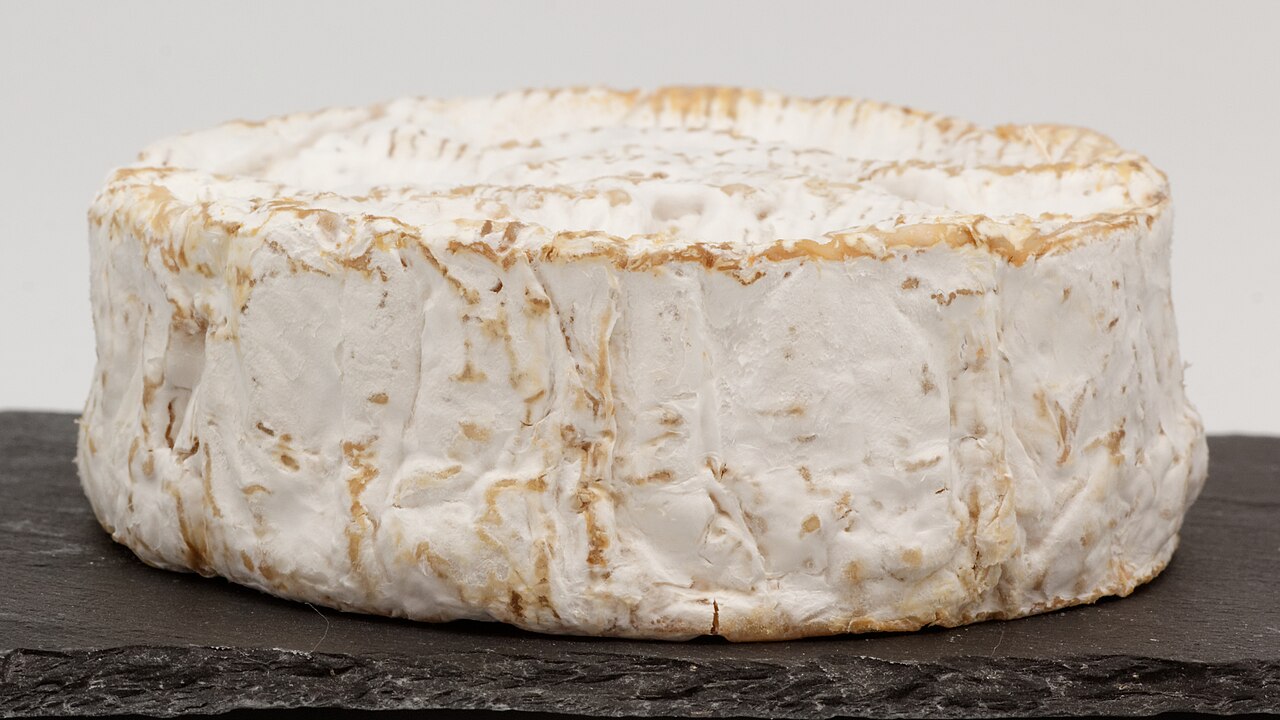
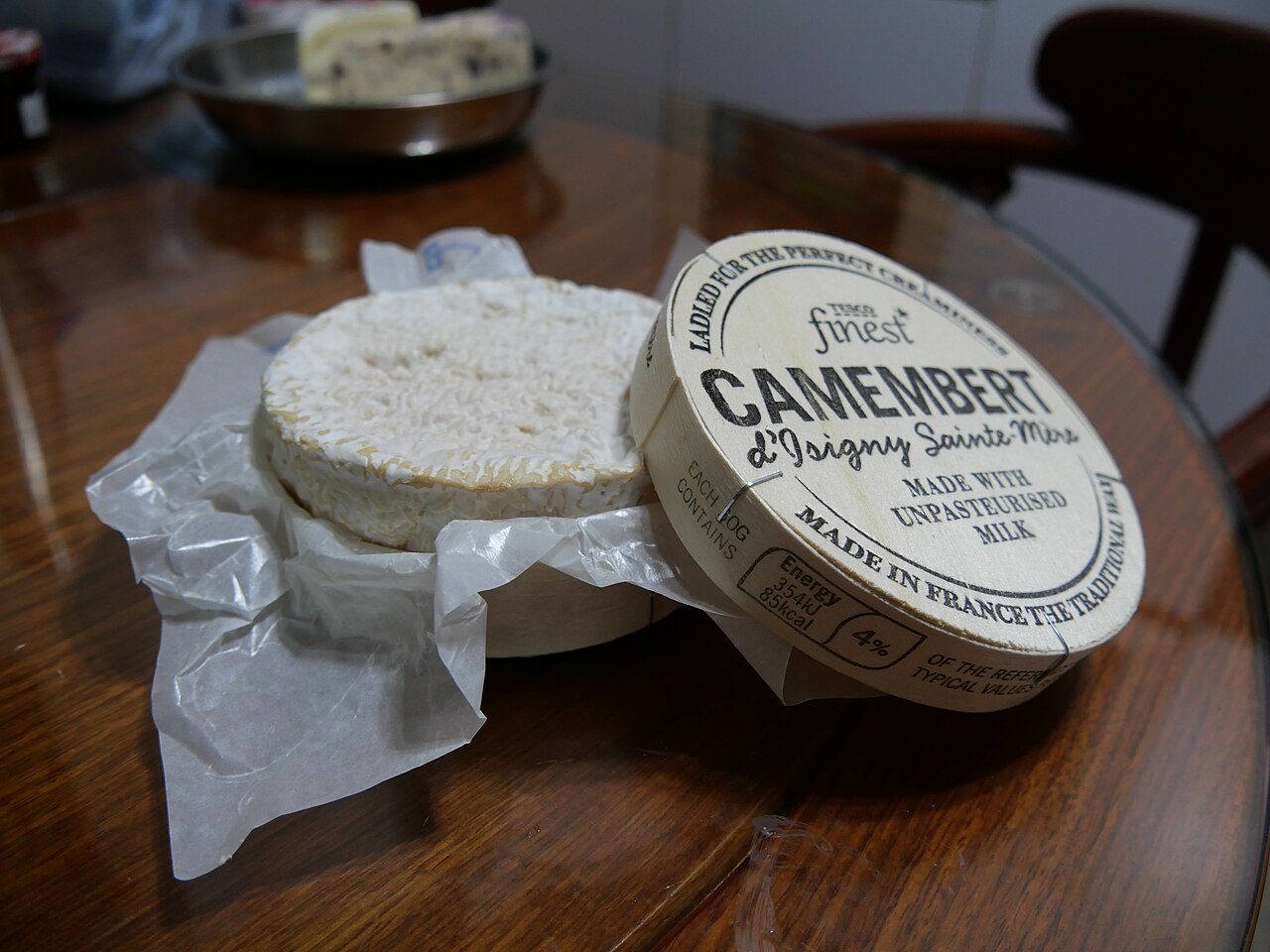
2024 年,歐盟新包裝法規(PPWR)協商期間一度傳出木盒可能不符合回收規範,法國人把這件事當成文化保衛戰來打 — 最終木盒被保留下來。一個 130 年前的包裝設計,在 21 世紀的法規談判桌上贏了一局。
During the 2024 EU packaging-regulation negotiations the wooden box was briefly at risk; France fought it as a cultural battle, and the box survived. A 130-year-old packaging design won a seat at a 21st-century regulatory table.
會呼吸的盒子:當包裝參與產品本身
卡門貝爾木盒的啟示是「功能與儀式合一」:單一材質、可生物降解、透氣調濕,同時自帶手工溫度。MB 在禮盒專案上常用同一邏輯的現代版 — 木紋紙裱卡 + 打孔透氣結構,或楓木薄片貼合紙器,讓茶葉、烘焙品這類「還在呼吸」的內容物有正確的微氣候,外觀又保留木盒的儀式感,成本只有實木盒的幾分之一。
香檳:一場 35 克的革命
📍 Champagne · 2022 → 2025
標準香檳瓶 835 克,這個數字二十多年沒動過 — 因為瓶內 6 個大氣壓的壓力,沒人敢動。直到 Telmont 香檳廠與法國玻璃大廠 Verallia 聯手做出 800 克的「全球最輕標準香檳瓶」:2022 年首批 3,000 支試產,陳釀三年後上市;2024 年產量拉到 22 萬支,2025 年起 Telmont 全面改用。更關鍵的是,他們不申請獨家,直接開放整個香檳產區使用。
The standard Champagne bottle weighed 835 g for over two decades — six atmospheres of pressure made everyone afraid to touch it. Then Telmont and glassmaker Verallia produced an 800 g bottle: 3,000 trial bottles in 2022, 220,000 in 2024, fleet-wide from 2025 — and deliberately non-exclusive, open to the whole appellation.
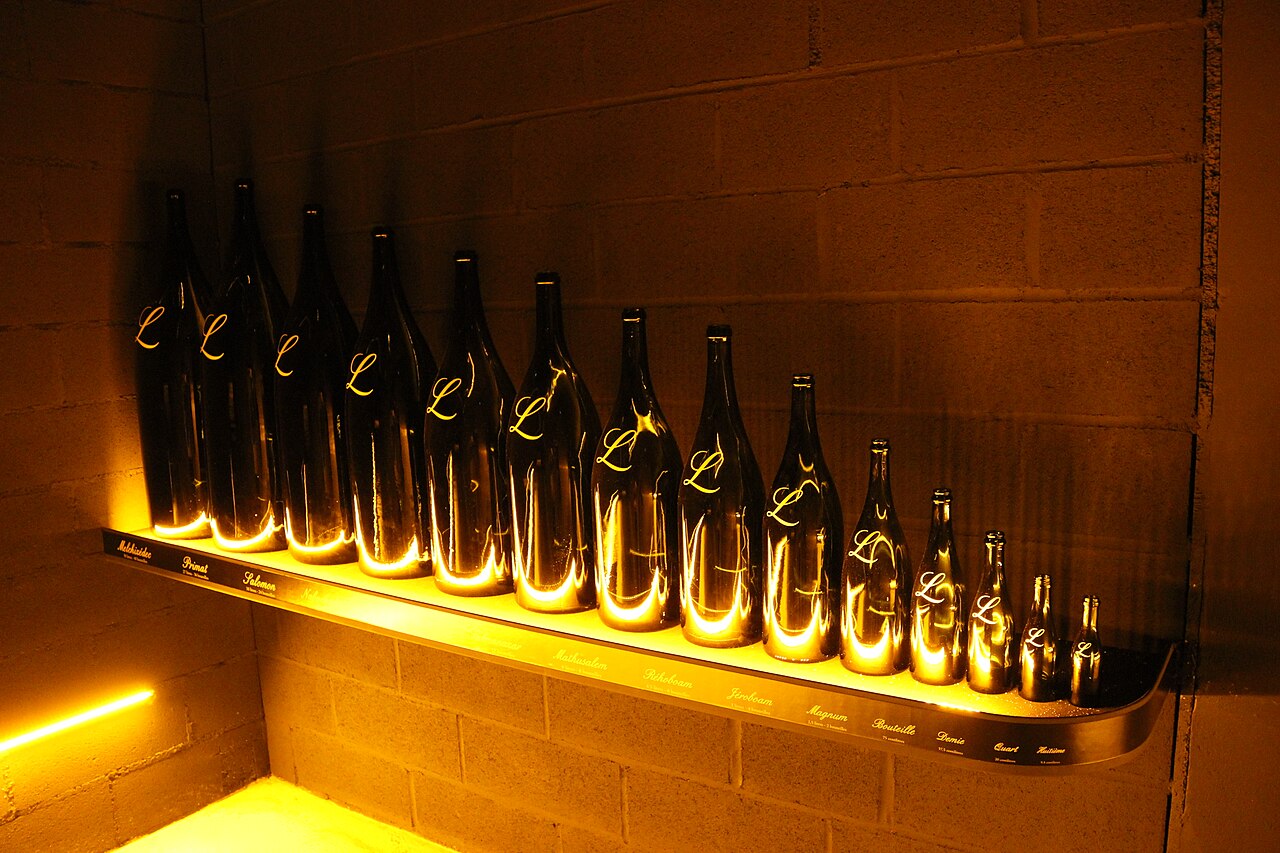
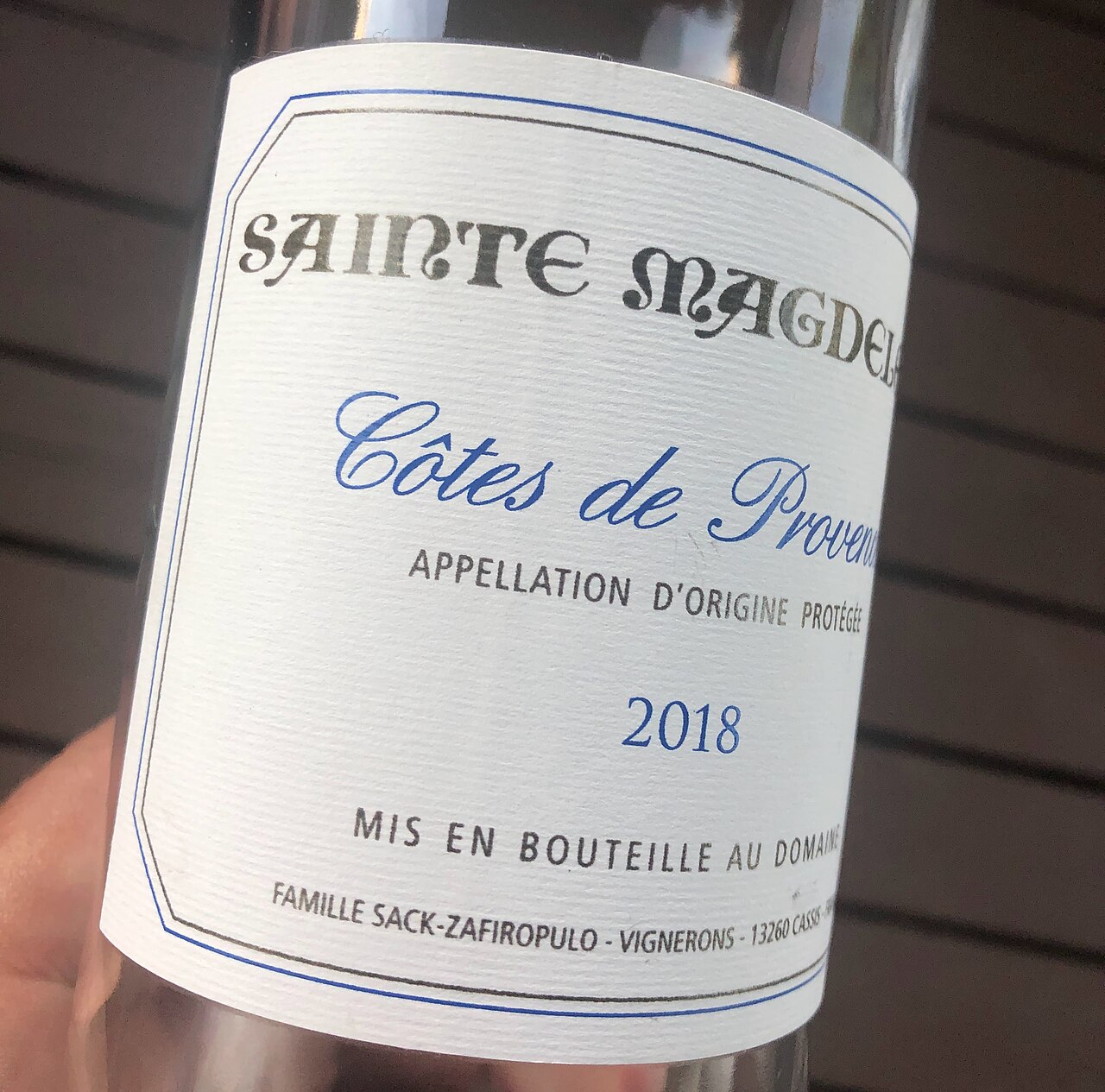
為什麼 35 克值得大書特書?因為玻璃瓶製造佔香檳產業碳足跡近 30%(產業引用值),減 35 克約等於每瓶製造階段 CO₂ 減 4%,而且新瓶含 87% 再生玻璃。把這個數字乘上香檳區一年數億支的出貨量,這是整個產區的減碳槓桿。
Why do 35 grams matter? Bottle production accounts for nearly 30% of Champagne's carbon footprint (industry figure); 35 g less means roughly 4% less CO₂ per bottle, in a bottle made of 87% recycled glass. Multiply by hundreds of millions of bottles a year and it becomes the region's biggest carbon lever.
減重不減手感:紙器的克重優化學
Telmont 的功課跟 MB 每天做的事同構:減重 = 減碳 + 減運費,但減重絕不能減「拿在手上的份量感」。紙器上的對應做法是克重優化 — 用結構補強(雙插邊、十字隔板、底部摺份)讓更薄的紙板有同樣的挺度;或外盒減磅、內襯加密,把材料花在消費者摸得到的地方。出口客戶尤其有感:紙重每降 50 gsm,海運成本跟著降一階。
Fauchon 與 AGEC:當粉黑美學遇上法規符號
📍 Paris, Place de la Madeleine · 1886 → 2027
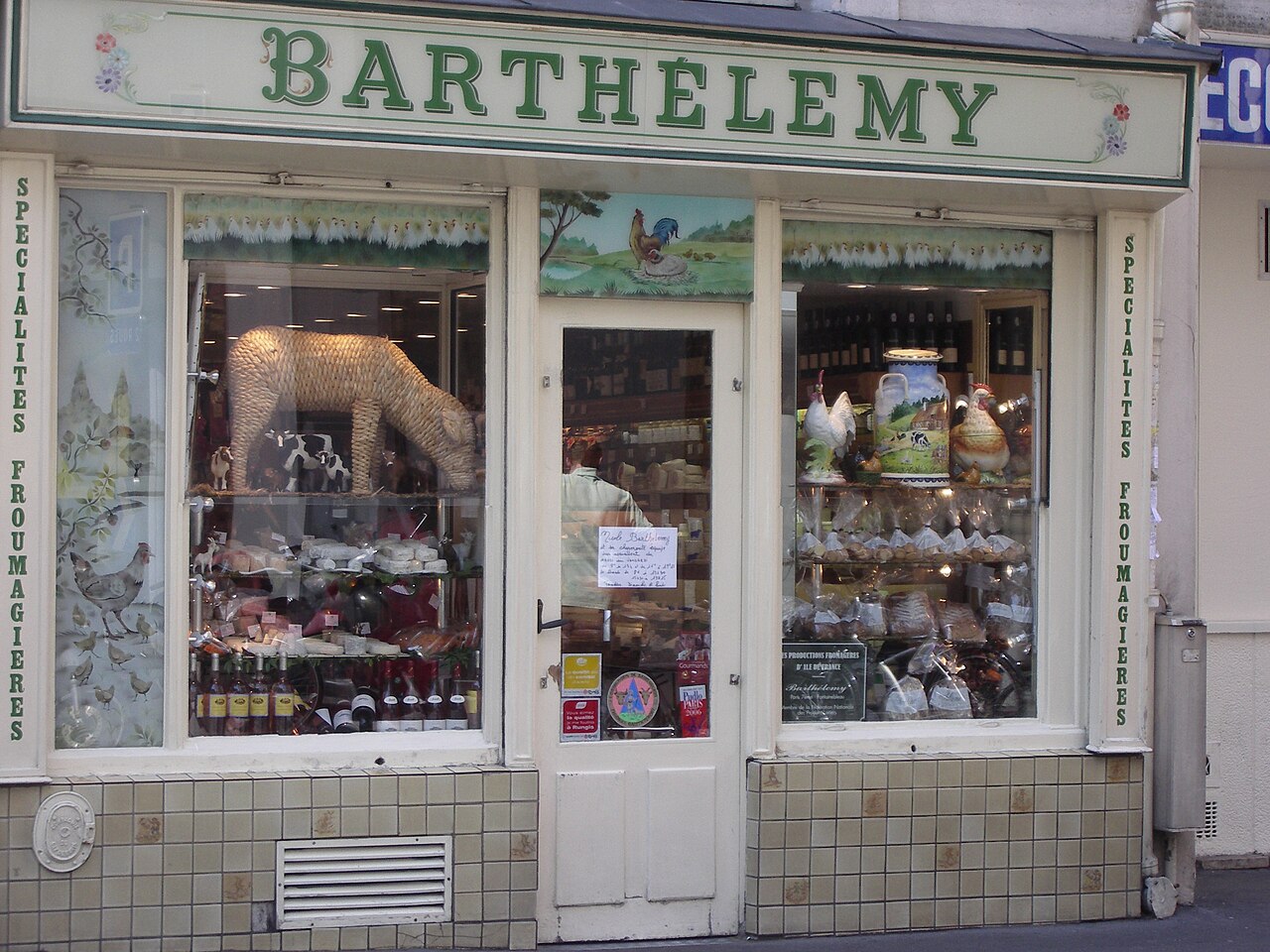
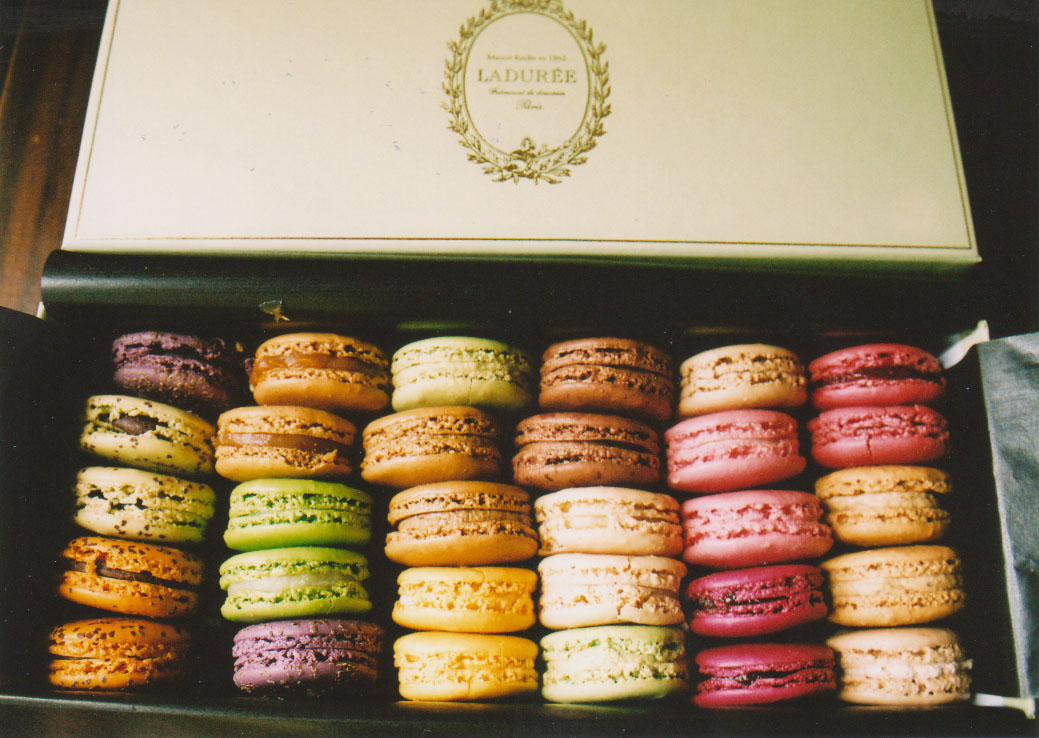
1886 年創立的 Fauchon 把「食品雜貨」做成了精品 — 靠的是一套紀律極嚴的視覺系統:粉紅 × 黑雙色、1990 年代末由設計師 Christian Biecher 重塑的識別,讓一罐果醬、一盒茶從貨架商品變成可以送人的巴黎。Ladurée(1862 年)的馬卡龍盒更直接:包裝就是珠寶盒,吃完留下來裝小物,品牌在你的抽屜裡多活十年。
Founded in 1886, Fauchon turned groceries into luxury through ruthless visual discipline — pink and black, an identity reshaped by designer Christian Biecher in the late 1990s — so a jar of jam becomes a piece of Paris you can gift. Ladurée (1862) goes further: the macaron box is a jewel case that lives on in your drawer for years.
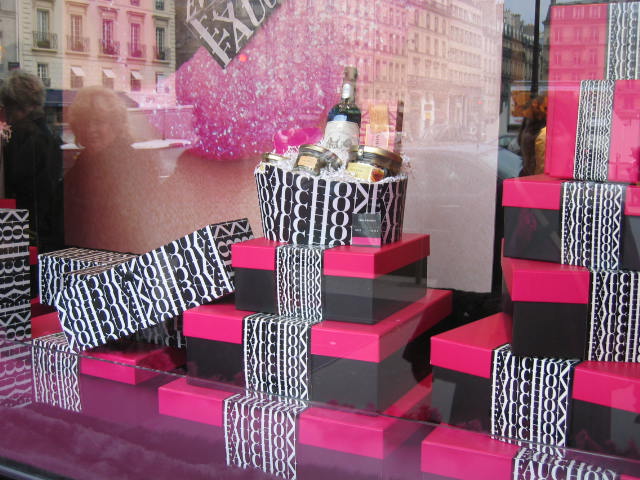
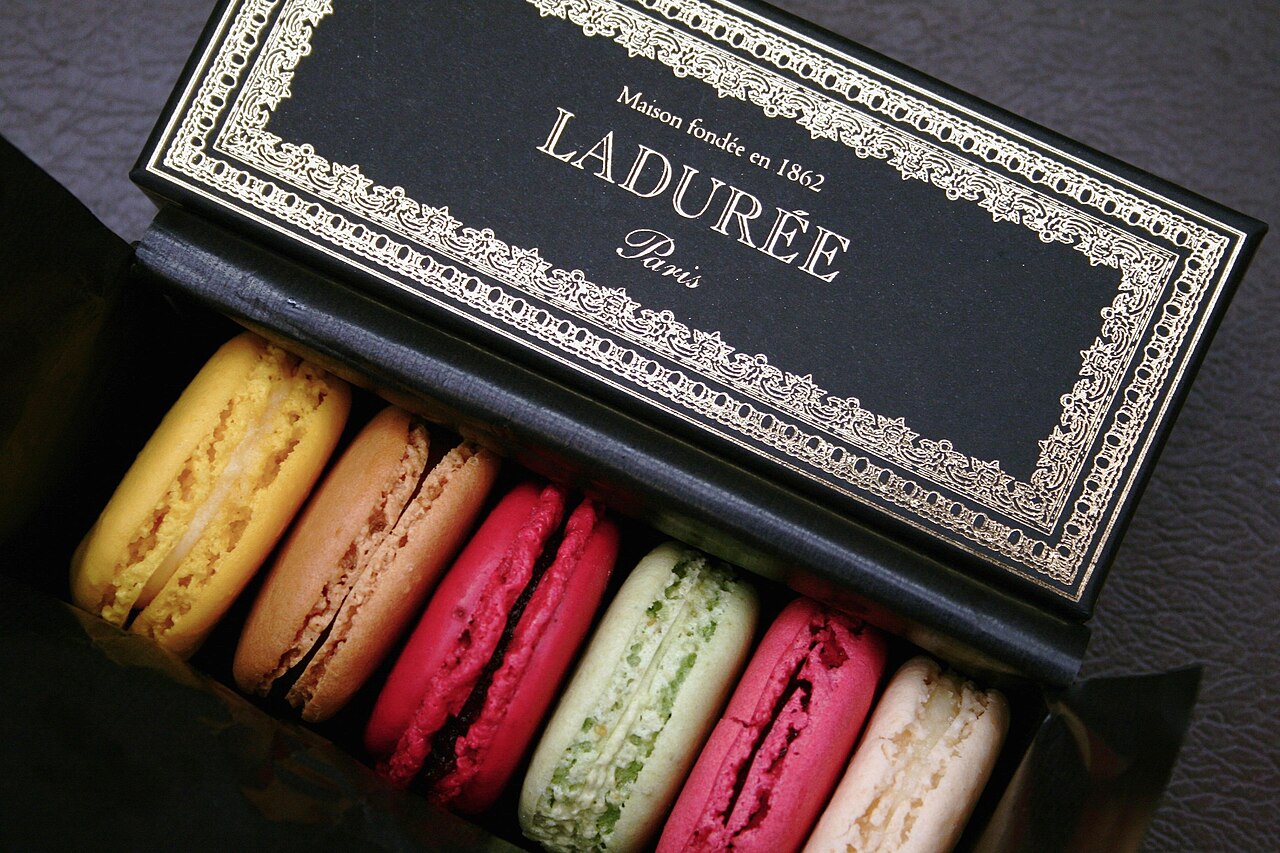
把鏡頭拉開,你會看到同一套邏輯重複出現:店面是包裝、提袋是包裝、連禮盒上的緞帶顏色都不能錯。馬卡龍盒做成珠寶盒,吃完捨不得丟、拿去裝小東西,品牌就這樣在你的抽屜裡多活了十年 — 這是法式食品包裝最會的一招:讓盒子的壽命比內容物長。
Zoom out and the same logic repeats: the storefront is packaging, the bag is packaging, even the ribbon colour is non-negotiable. The macaron box becomes a jewel case you keep — French food packaging's signature move: make the box outlive what's inside.
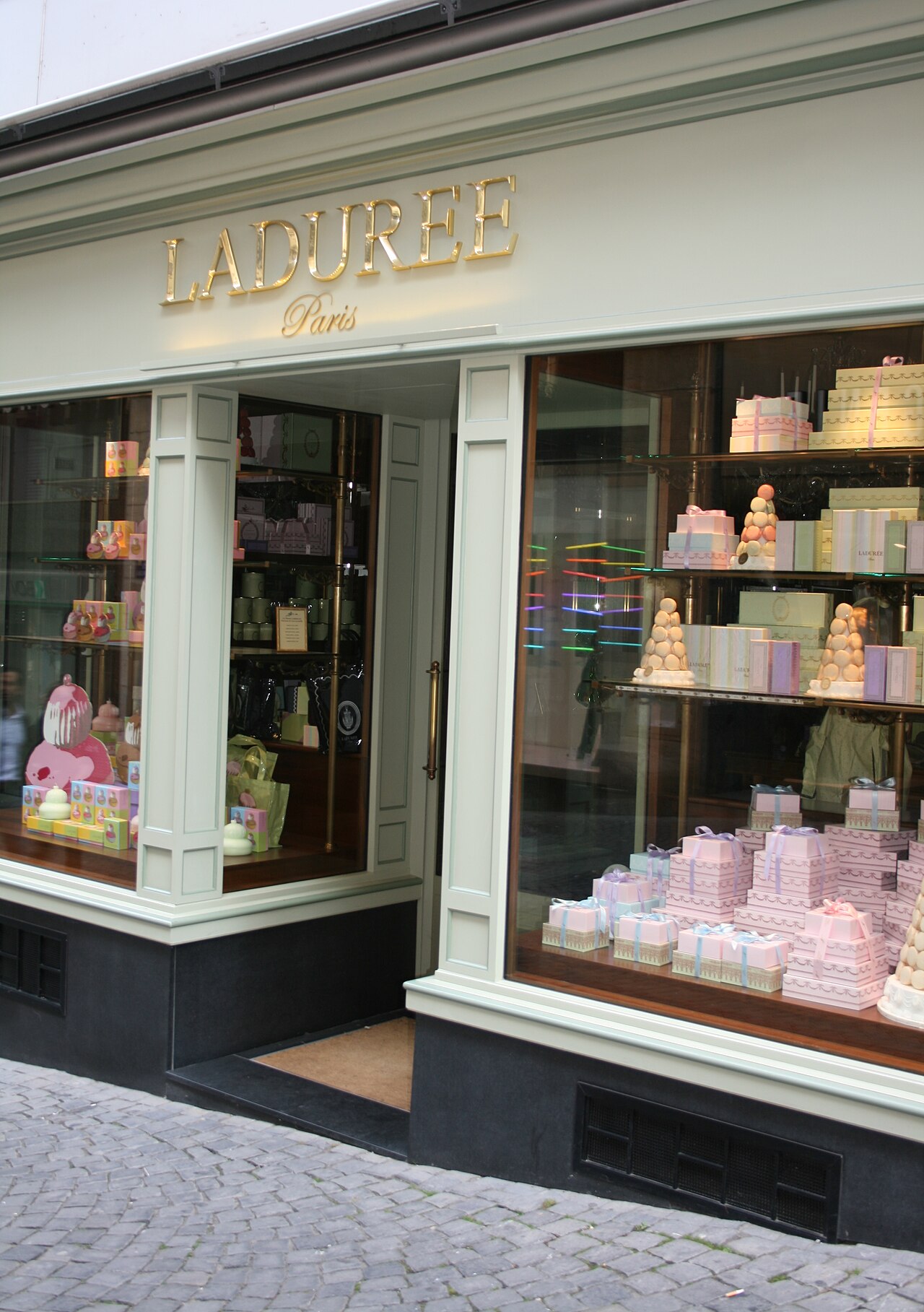
但同一座巴黎,也是全歐洲管包裝管得最兇的城市。AGEC 反浪費法(2020 年頒布)規定:2022 年起所有家用產品包裝必須印上 Triman 分類標誌與分類說明(飲料玻璃瓶豁免);重複使用包裝佔比 2023 年要達 5%、2027 年達 10%(Citeo 為此在 2023 年成立 ReUse 計畫);塑膠瓶收集率 2025 年要達 77%、2029 年 90%;2030 年家用包裝廢棄物要比 2010 年少 15%。法國精品包裝正在學一件事:把法規符號「設計進去」,而不是貼上去。
Yet Paris also regulates packaging harder than anywhere in Europe. Under the AGEC law (2020): the Triman sorting logo became mandatory on household packaging from 2022 (glass beverage bottles exempt); reusable packaging must reach 5% by 2023 and 10% by 2027 (Citeo's ReUse scheme, founded May 2023); plastic-bottle collection must hit 77% in 2025 and 90% by 2029; household packaging waste must fall 15% by 2030 vs 2010. French luxury packaging is learning to design compliance in, not stick it on.
法規區設計:讓 Triman 不毀掉你的版面
Triman、材質聲明、分類說明,每一個都會「弄髒」精心設計的版面。MB 的做法是在結構設計階段就預留法規區:合規資訊集中在盒底、側摺或內襯,正面完整留給品牌;出口歐盟的客戶,我們會在打樣階段直接把 Triman 與多語分類說明排進刀模,而不是事後貼標。法規不是設計的敵人,沒規劃才是。
法國人教我們的事:傳統不是法規的對立面,而是談判桌上最有力的籌碼 — 前提是,你的包裝真的有故事可講。
從一個 1890 年的木盒,到一支 2025 年的 800 克瓶,再到一個必須跟粉紅色共存的回收標誌 — 法國食品包裝的一致邏輯是:包裝承載產地、參與產品、回應時代,三者缺一不可。對正在做外銷食品、禮盒的台灣品牌來說,這是最值得抄的一份作業。
From an 1890 wooden box to a 2025 800-gram bottle to a recycling logo that must coexist with a precise shade of pink — French food packaging insists that a package carry its origin, participate in the product, and answer its era. For Taiwanese food and gift brands going global, this is the homework worth copying.
下回預告:同個題材池輪換中 — 包裝知識系列與品牌巡禮持續更新。
免費打樣・14 天交期。從禮盒、提袋到節慶限定,我們陪你把想法做出來。
免費諮詢與打樣 →